
Autumn can bring a faster pace: work commitments, school schedules, family responsibilities and less time to think about meals. It is easy to skip lunch, grab something on the go or reach the evening feeling extremely hungry. And these challenges are not limited to one season or one country.
Healthy eating does not have to mean strict rules, expensive superfoods or giving up the meals you love. Often, the best approach is to build a few flexible habits that support your well-being and fit into everyday life.
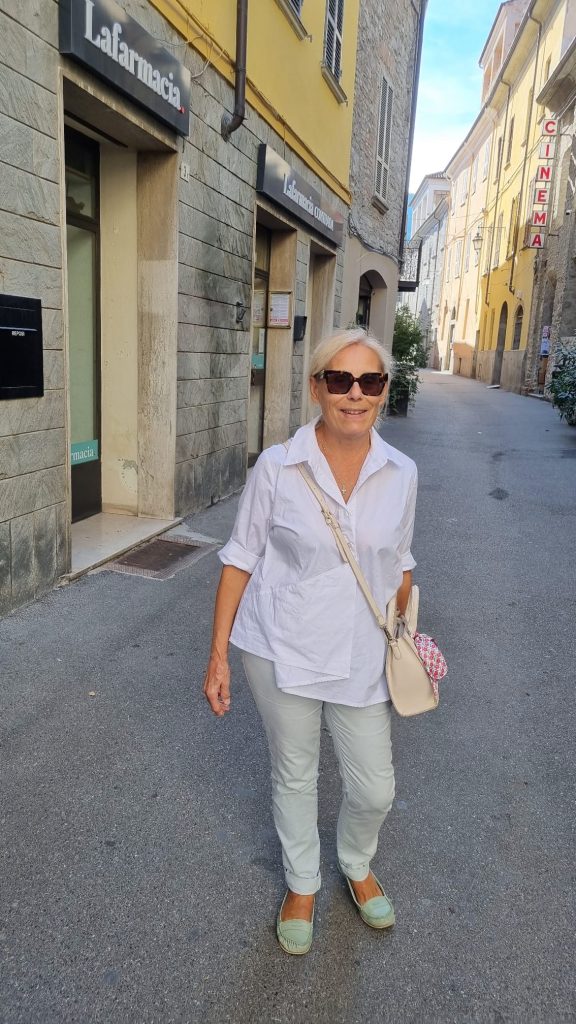
Maria Luisa Scarabelli, a biologist specialising in nutrition and based in Milan, Italy, shares seven practical ways to get started.
1. Plan your meals – without planning every minute
One of the biggest obstacles to balanced eating is not a lack of motivation. It is often a lack of time. After a long day, the easiest available option can become the default.
A little preparation can reduce the number of decisions you need to make when you are tired. You could:
- Think ahead about a few lunches and dinners, rather than planning a perfect week.
- Keep versatile ingredients at home, such as beans, lentils, eggs, whole grains and vegetables.
- Prepare an extra portion of a dish that can be reused in a different meal.
- Have simple back-up options for especially busy days, including frozen vegetables or canned pulses.
The most useful meal plan is not the most complicated one. It is the one you can actually follow.
2. Make your lunch break work for you
For many people, lunch happens in front of a screen, between meetings or during a short break. Yet giving this meal a little attention can make the rest of the day easier to manage.
A balanced lunch can include vegetables, a source of carbohydrates, a protein-rich food and a suitable amount of healthy fats. There is no single menu that works for everyone.
Three easy lunch ideas
- A quinoa or barley salad with chickpeas, carrots and extra-virgin olive oil.
- Rice with chicken or tofu, broccoli and a little olive oil.
- A wholegrain sandwich or wrap with eggs, hummus or another protein source, vegetables and a piece of fruit.
These are general examples, not fixed portion recommendations. Adapt ingredients to your culture, food preferences, budget and individual needs.
Whether you eat at home, in a workplace canteen or at a local cafe, a satisfying lunch does not need to be marketed as “diet food”.
3. Very hungry at dinner? Look at what happened earlier
Reaching the evening with intense hunger is not necessarily a question of willpower. The explanation may begin hours earlier: a missed lunch, an inadequate meal or a long gap without food can all play a part.
Rather than blaming yourself, consider a few simple questions:
- Do my main meals leave me comfortably satisfied?
- Am I regularly going for long periods without eating because of work?
- Do stress or hurried routines influence when and how I eat?
- Am I including fibre-rich foods and adequate sources of protein?
Snacks are not essential for everyone. However, a planned snack may be helpful when it suits your appetite, routine and nutritional needs.
4. Remember hydration, even when the weather is cooler
When temperatures drop, it is easy to pay less attention to thirst. Your body still needs fluids throughout the day, although the right amount varies with activity, climate, age and individual health needs.
Keep water accessible at your desk or in your bag. Unsweetened tea, soups, fruit and vegetables can also contribute to your overall fluid intake.
There is no need for miracle drinks or “detox” programmes. Consistent, ordinary habits are a more sensible place to start.
5. Think beyond food: movement, rest and daily routines
What you eat matters, but so do the circumstances in which you eat. Stress, long hours sitting down and insufficient sleep can make regular habits harder to maintain.
You do not need to overhaul your lifestyle overnight. A short walk, an active break from your desk, a little more time outdoors or a more consistent sleep routine can all be manageable starting points, depending on your circumstances.
The aim is not a dramatic transformation. It is to create a routine that you can continue.
6. Recognise when personalised nutrition advice may help
Nutrition needs differ according to age, activity, health circumstances, eating preferences, cultural background and personal goals. That is why a general article cannot replace an individual assessment.
Professional nutrition support may be useful if you want to:
- Work towards an appropriate body-weight goal without extreme restrictions.
- Improve the quality and organisation of your meals.
- Address specific nutritional needs.
- Understand the habits that influence your food choices.
- Build changes that remain practical over time.
A personalised assessment may consider eating habits, lifestyle, available clinical information and personal goals. When appropriate, body composition can also be assessed using bioelectrical impedance analysis (BIA), interpreted alongside the other findings rather than on its own.
7. Choose one change you can repeat this week
Trying to change everything at once can make healthy eating feel overwhelming. Instead, start with just one realistic action: plan two lunches, add vegetables to one regular meal, or keep a bottle of water within reach.
After a week, ask yourself: Was it easy enough to maintain? Did it fit my working day? What might make it even simpler?
Small, repeatable improvements are often more useful than short-lived restrictions.
Healthy eating is a long-term habit, not a seasonal project
Balanced nutrition should not be something you only think about after a holiday or before a special occasion. It is about making choices that work for your body, your schedule and your life throughout the year.
You do not have to eat perfectly to make worthwhile progress. Start with what is realistic, pay attention to how it works for you, and seek personalised support when appropriate.
About Maria Luisa Scarabelli
Maria Luisa Scarabelli is an Italian biologist specialising in nutrition, with a practice in Milan. She provides individual nutrition assessments and personalised eating plans based on each person’s habits, needs and goals.
Practice: Viale Legioni Romane 65/2, 20147 Milan, Italy
Public transport: M1 Metro, Primaticcio station
Appointments: +39 338 531 7023
Further information: Nutritionist in Milan | Contact the practice
This article provides general educational information and is not a substitute for personalised health or nutrition advice.
