
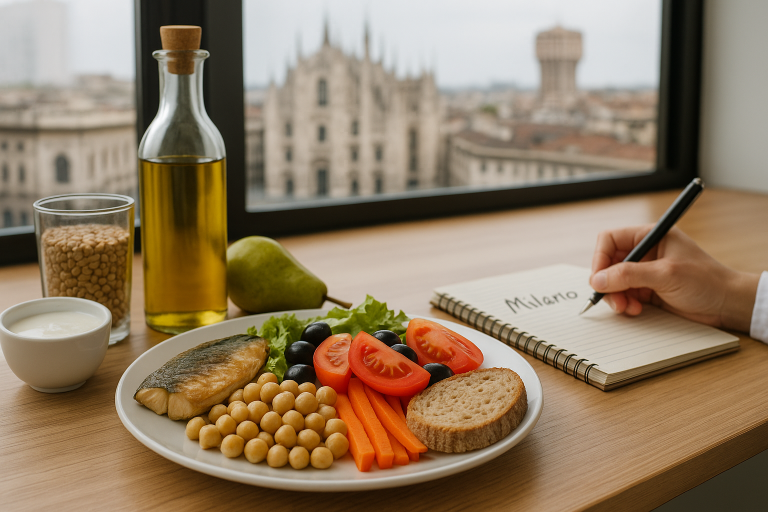
Diet, the Microbiome and Neurodegenerative Diseases
Article by Dr Maria Luisa Scarabelli – Biologist & Nutritionist, Milan. This article explores the connection between the Mediterranean diet, the microbiome, and brain health, particularly in the context of Milan.
In simple terms: why what we eat matters
Our intestines host billions of helpful microorganisms—the gut Microbiome.
When we eat well, these allies work in harmony; when our diet is unbalanced, that harmony can break down.
The gut and the brain communicate constantly (the gut–brain axis). That’s why an overall balanced diet doesn’t just help your digestion—it can also support long-term brain health.
Bottom line: improving your diet is a practical way to care for your weight, your gut, and—indirectly—your brain.
Alzheimer’s and Parkinson’s: where do diet and gut health fit in?
-
Alzheimer’s disease: proteins build up in the brain and disturb how neurons work. Causes are multiple (genetic, vascular, inflammatory), but a healthy lifestyle can help with prevention.
-
Parkinson’s disease: abnormal protein aggregates damage nerve cells. Some studies suggest early signals may appear in the gut and then “travel” towards the brain.
Research is evolving, but the link between gut–Microbiome–brain is now considered meaningful.
We’re not talking about miracle cures—rather prevention and risk reduction through sustainable habits.
What dysbiosis is (and why weight matters)
A balanced Microbiome produces substances that calm inflammation and protect tissues, including nerve tissue.
A diet low in fibre and high in ultra-processed foods can lead to dysbiosis (an imbalanced gut ecosystem).
This is more common in people who are overweight or carry visceral fat.
Losing excess weight with a tailored nutrition plan helps the gut, and in turn, supports the brain.
What science says—without the jargon
Observational research shows that people who consistently follow a Mediterranean diet have a lower likelihood of developing dementia or cognitive decline.
Clinical trials are ongoing; while no single diet is a guarantee, evidence for the Mediterranean pattern is strong—also for heart health, Metabolic balance, and weight control.
Where to start if you’re overweight
The goal is a flexible, personalised Mediterranean diet, built around your daily life.
Include more of these
-
Daily fibre: vegetables, fruit, legumes, whole grains.
-
Healthy fats: extra-virgin olive oil, oily fish, nuts and seeds.
-
Variety and colour: herbs, spices, tea/infusions, dark cocoa.
-
Fermented foods (if tolerated): plain yogurt, kefir, some aged cheeses.
Limit these
-
Ultra-processed foods: packaged snacks, pastries, ready meals.
-
Free sugars and sugary drinks.
-
Processed meats and excess salt.
-
Alcohol: occasional and moderate only.
Habits that move the needle
-
Be active most days: 30–35 minutes, 5 times a week.
-
Sleep well: regular bedtimes and good sleep quality.
-
Check your numbers: blood pressure, glucose, lipids (with your doctor).
-
Train your mind: reading, social connections, curiosity.
Two quick, filling examples
Breakfast
Plain yogurt + a tablespoon of rolled oats + seasonal fruit + 5–6 almonds.
Why it works: fibre + protein + healthy fats = satiety and a happy microbiome.
“Mediterranean quick lunch”
Big salad with chickpeas or tuna in olive oil, leafy greens, tomatoes, carrots, olives, 1 tbsp EVOO + 1 slice wholegrain bread.
Why it works: legumes/fish provide quality protein; fibre helps control hunger.
(These are general examples: your plan is always tailored to your clinical history and preferences.)
When to ask for help
If you’re overweight or your gut “isn’t working well”, don’t wait for a perfect moment.
A personalised nutrition programme guides you step by step—realistic goals, practical menus, anti-craving strategies, social-life management, and measurable progress.
Book a nutrition assessment in Milan
I’m Dr Maria Luisa Scarabelli, Biologist & Nutritionist.
I see patients in Milan.
Together we can build a programme that improves your weight, gut well-being and, over time, your brain health.
What the programme includes
-
Initial consultation: full medical and lifestyle history, goals, and body analysis with bioimpedance scale.
-
Personalised meal plan: simple to follow and compatible with your routine.
-
Follow-ups: adjustments, motivation, measurable results.
Contact
📧 Email: marialuisa_scarabelli@fastwebnet.it
📞 Telefono: +39 338 531 7023
Studi in Milano
